 B
B
Who we are
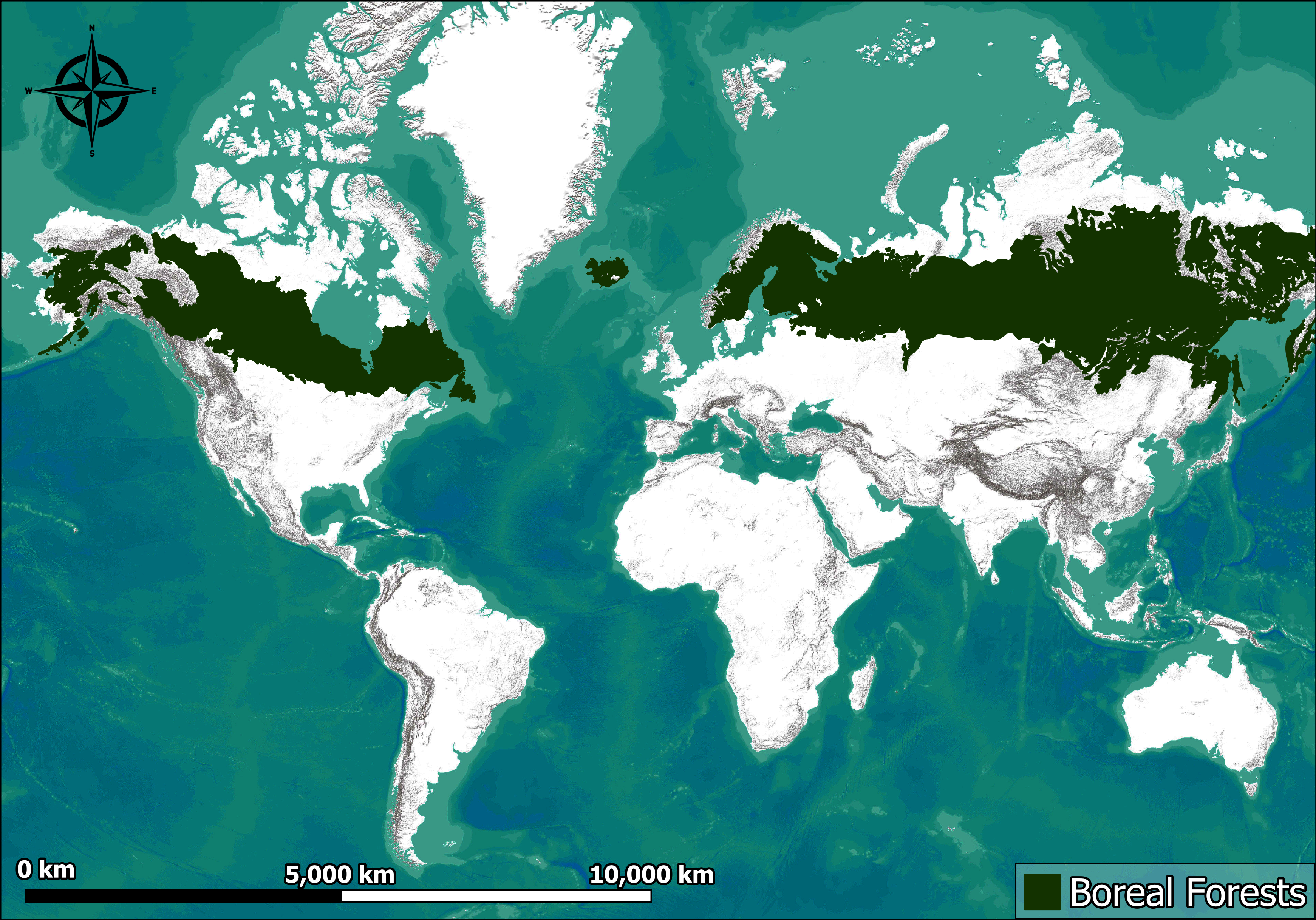
The Bonanza Creek Long Term Ecological Research (LTER) program, located in Interior Alaska, studies ecosystems within the boreal biome, the northernmost forested biome on Earth. This biome includes evergreen, mixed, and deciduous forests, shrublands, bogs and fens, river floodplains, ponds and lakes, and alpine tundra. For almost 40 years, researchers in our program have been supported by the U.S. National Science Foundation to study the ways rapidly changing climate and natural disturbances, like wildfire, are impacting landscapes and communities. In collaboration with the University of Alaska Fairbanks, Alaskan communities and land stewards, our research informs environmental policies, management practices, and place-based science education.
The Earth’s high northern latitudes are warming two to four times faster than the global average, with some of the largest changes occurring in continental regions of the boreal biome, such as Interior Alaska. These changes are creating cascading effects that impact the resilience of ecosystems.
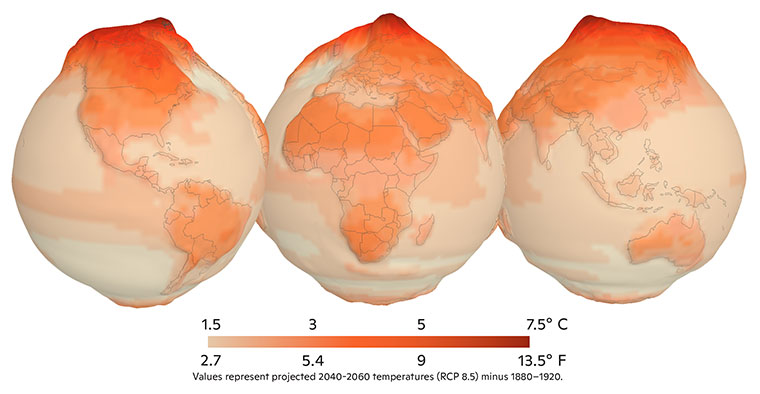
These effects include an increase in wildfire activity, abrupt thaw of permafrost ground, and outbreaks of forest pests and pathogens. All of these changes have a direct impact on social-ecological wellbeing in boreal landscapes.
Since 1987, Bonanza Creek LTER has examined how terrestrial and aquatic boreal ecosystems are responding to these landscape changes across multiple scales, from soil microbial communities to regional carbon cycles, from day-to-day to millennial impacts, and from leaves to individual trees to forest dynamics. The investigations we conduct in the field, in the lab, through simulation modeling, or with remote sensing (e.g., satellite data) provide critical information needed to predict the response of the boreal biome to a warming climate, increasing disturbances (e.g., fire) and management, as well as inform strategies for climate change mitigation and adaptation efforts in Alaska and beyond.

Investigators collect trace gas flux and environmental measurements in a rich fen

Indigenous knowledge workshop for graduate students, winter 2024

Sphagnum leaf stained and under microscopy during moss identification workshop, June 2023

Community research and collaboration discussions

Sampling recently burned spruce forests near Fort Yukon, Alaska
Community is central to our mission. The Bonanza Creek LTER program brings together scientists, managers, policymakers, community members, students, rightsholders, and artists from diverse backgrounds and experiences to share knowledge, curiosity, and a love of place. The youth and community science programs, the Schoolyard LTER and Fostering Science, empower individuals to document the natural world and participate in place-based problem-solving, STEM programming, and public engagement in scientific research. Our community-forward programs and committees, including the In a Time of Change arts, humanities, and sciences integration and the Alaska Native Advisory Council, foster transdisciplinary inquiry and knowledge co-production. Much like the ecosystem we study, our research and outreach programs are dynamic, multifaceted, and rooted in relationships.
Land acknowledgement
We acknowledge the diverse Alaska Native peoples upon whose unceded ancestral lands our research program resides. Our primary research sites are located on unceded ancestral lands of the Lower Tanana Dene peoples. Indigenous peoples have been in relationship with the boreal landscapes of Interior Alaska for thousands of years. Members of the Bonanza Creek Long Term Ecological Research program strive to learn about, value, and honor this relationship in our research and our actions. As a community, we strive for collaborative, community-based decision-making.
Read more at the following links:
Connected across ecosystems
The Bonanza Creek Long Term Ecological Research program is one of 27 sites in the U.S. National Science Foundation-supported Long Term Ecological Research (LTER) Network. The LTER Network was created in 1980 to investigate interrelated ecological questions across systems, geographical areas, and timeframes. Today, it is the largest and longest-lived ecological network in the United States. This multidisciplinary network extends across biomes and hosts the work of more than 2,000 scientists and students.
The Bonanza Creek LTER program is jointly managed by the Institute of Arctic Biology at the University of Alaska Fairbanks; the Boreal Ecology Cooperative Research Unit, which is the northernmost outpost of the USDA Forest Service Pacific Northwest Research Station; and the Center for Ecosystem Science and Society at Northern Arizona University.


