 B
B
Where we work
The boreal biome
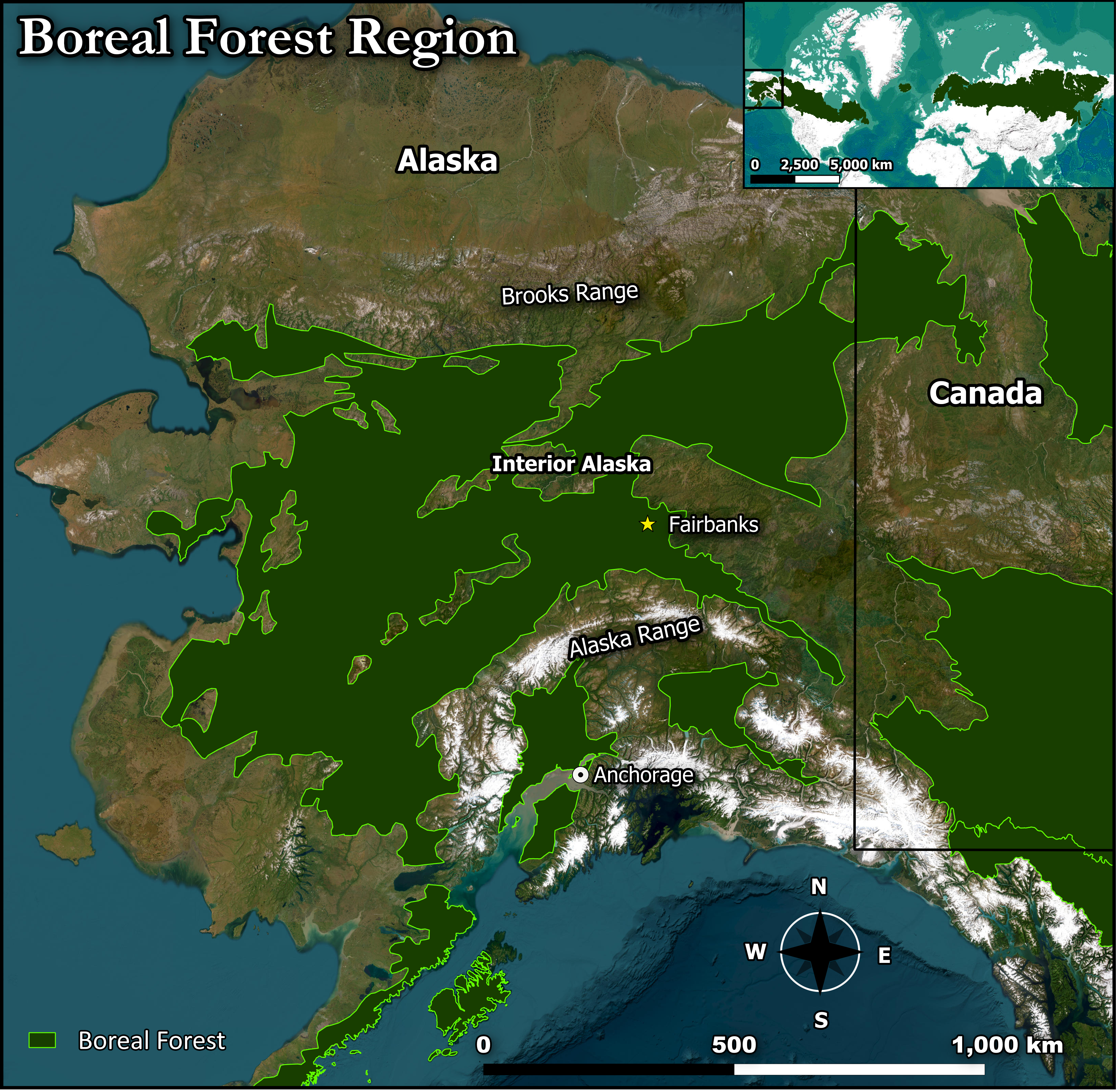
At the Bonanza Creek Long-Term Ecological Research (LTER) program, we explore the ecological complexities of the boreal biome—one of the largest terrestrial biomes on Earth [pop-up: a biome is a geographical area defined by a specific climate, flora, and fauna]. Stretching in a circumpolar arc across the Northern Hemisphere, the boreal biome is known for its long, cold winters punctuated by brief summers with endless daylight. The boreal biome hosts one-third of the world’s forested area, stores 30% of global terrestrial carbon, and accounts for about 10% of global wildfire CO2 emissions. While predominantly forest, it also supports a unique mosaic of ecosystems, including grasslands, shrublands, wetlands, floodplains, and alpine tundra.
In Alaska, 60% of the land is covered by the boreal biome. At the Bonanza Creek LTER, we work predominantly in Interior Alaska, which lies between the Brooks and Alaska mountain ranges. We conduct research across hundreds of locations where we study the diverse elements that make up this biome.


A biome in transition
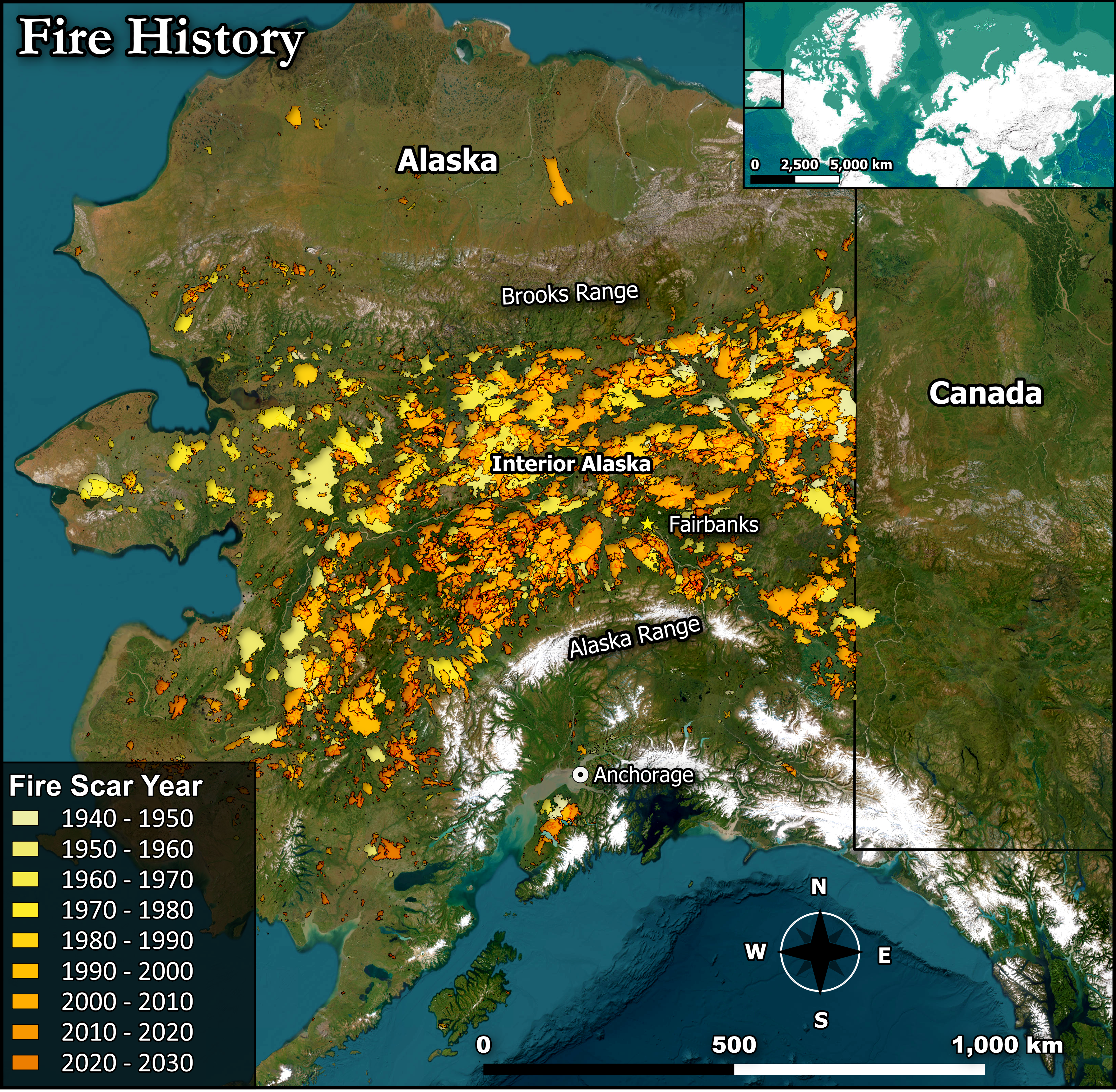
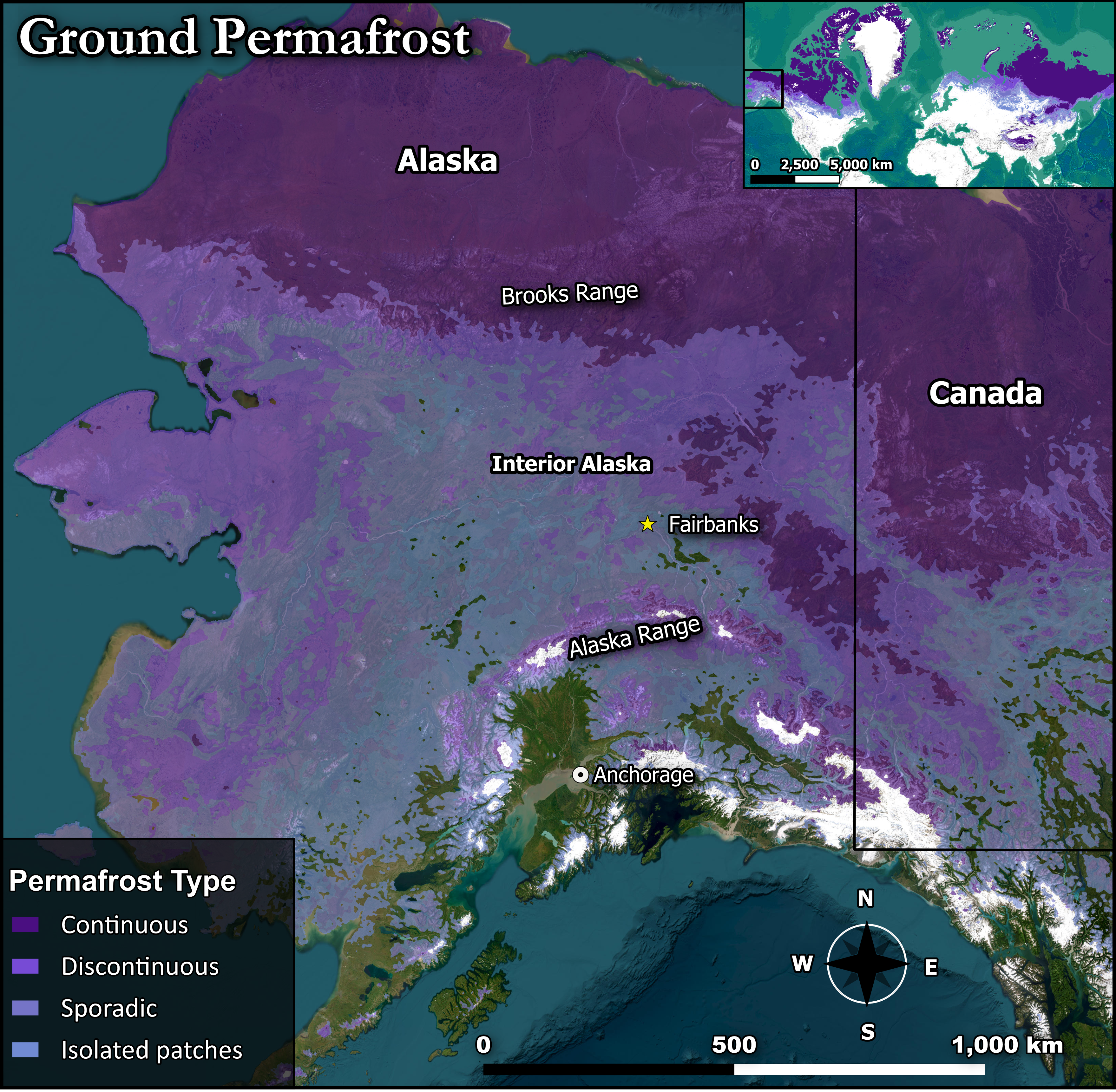
The boreal forest is shaped by natural disturbances like wildfire and permafrost thaw, but climate warming is accelerating change across Interior Alaska. Fires are becoming more frequent and severe, removing the insulating soil layer and accelerating permafrost thaw. Both processes release stored carbon and reshape ground stability, hydrology, and vegetation. These shifts create new forest trajectories and alter carbon cycling, wildlife habitat, and the resilience of communities. At the Bonanza Creek LTER, we study how warming-driven disturbances transform boreal ecosystems to better predict future change.
People of the boreal forest
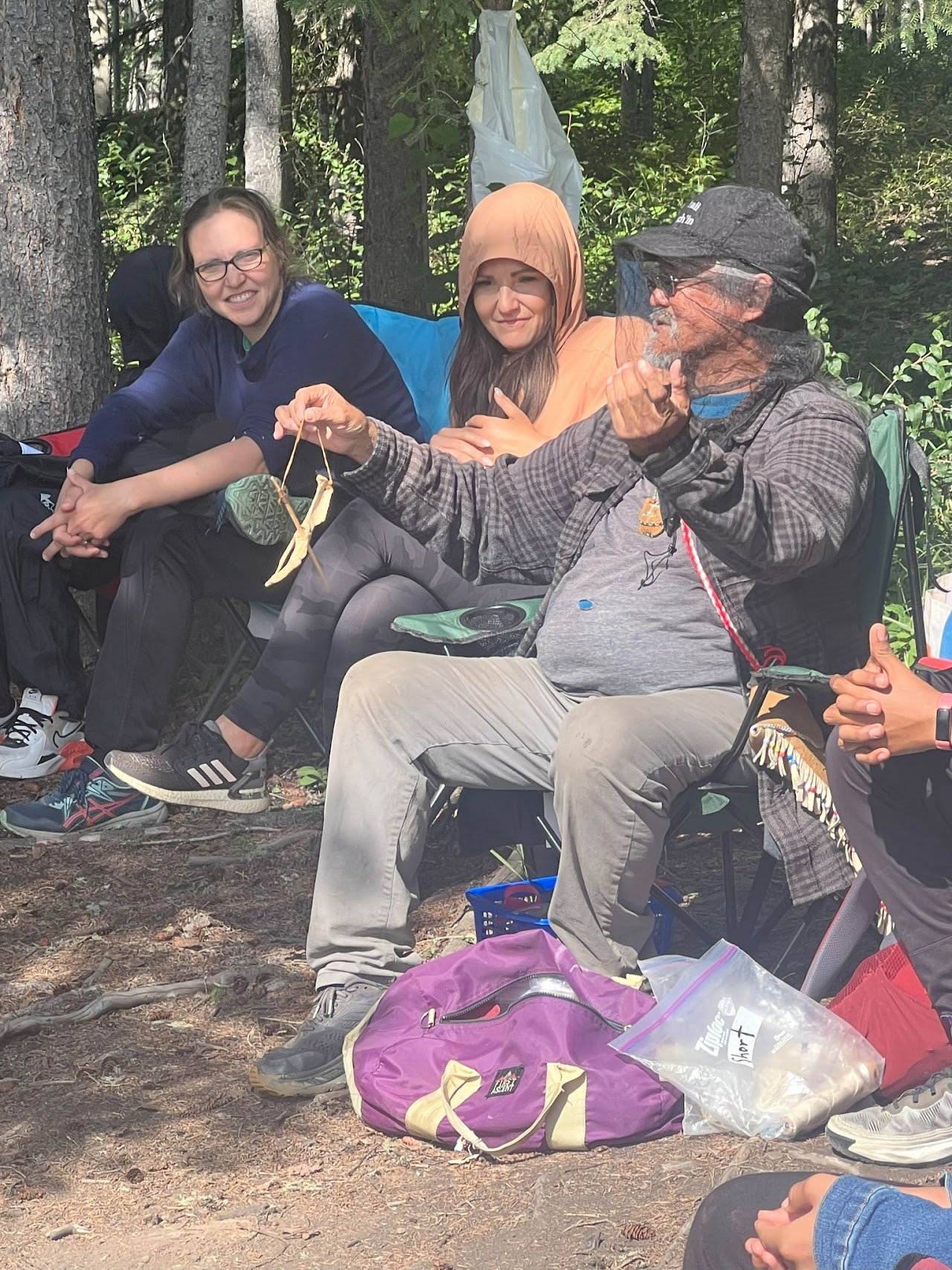
Communities across Interior Alaska are closely tied to the boreal landscape, relying on it for subsistence, travel, and cultural identity. Many communities are remote and adapt to living in dynamic environments shaped by wildfire and permafrost. Alaska Native knowledge, land stewardship, and local decision-making play an important role in how ecosystems are used and cared for today. These communities are key partners in understanding and responding to ecological change in the boreal forest.
Boreal biome key topics
Click on a row to expand and learn more.
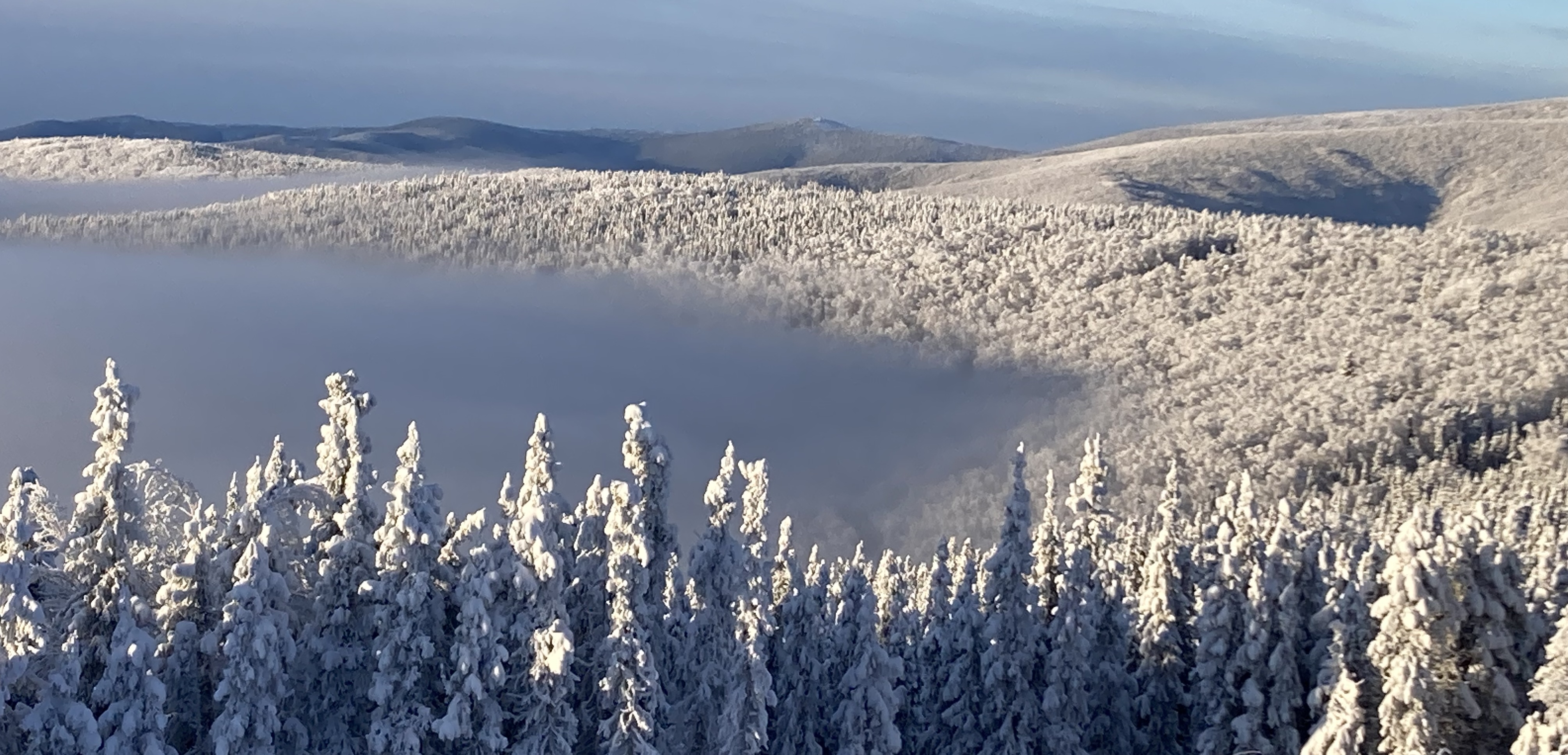
The climate of Interior Alaska is extreme. Temperatures in the winter can plummet to as low as -50 °C in January, with the landscape often blanketed in snow and ice for more than half the year. As summer approaches, the region transforms—daylight stretches nearly 24 hours, and temperatures can soar to over 33 °C in July.
Interior Alaska’s climate is heavily influenced by its geography. The Alaska Range to the south and the Brooks Range to the north block moist, coastal air masses, leaving the region relatively dry year-round. Coupled with extreme temperature ranges and varying day lengths, these climatic conditions define the ecology and resilience of Interior Alaska’s boreal forests.
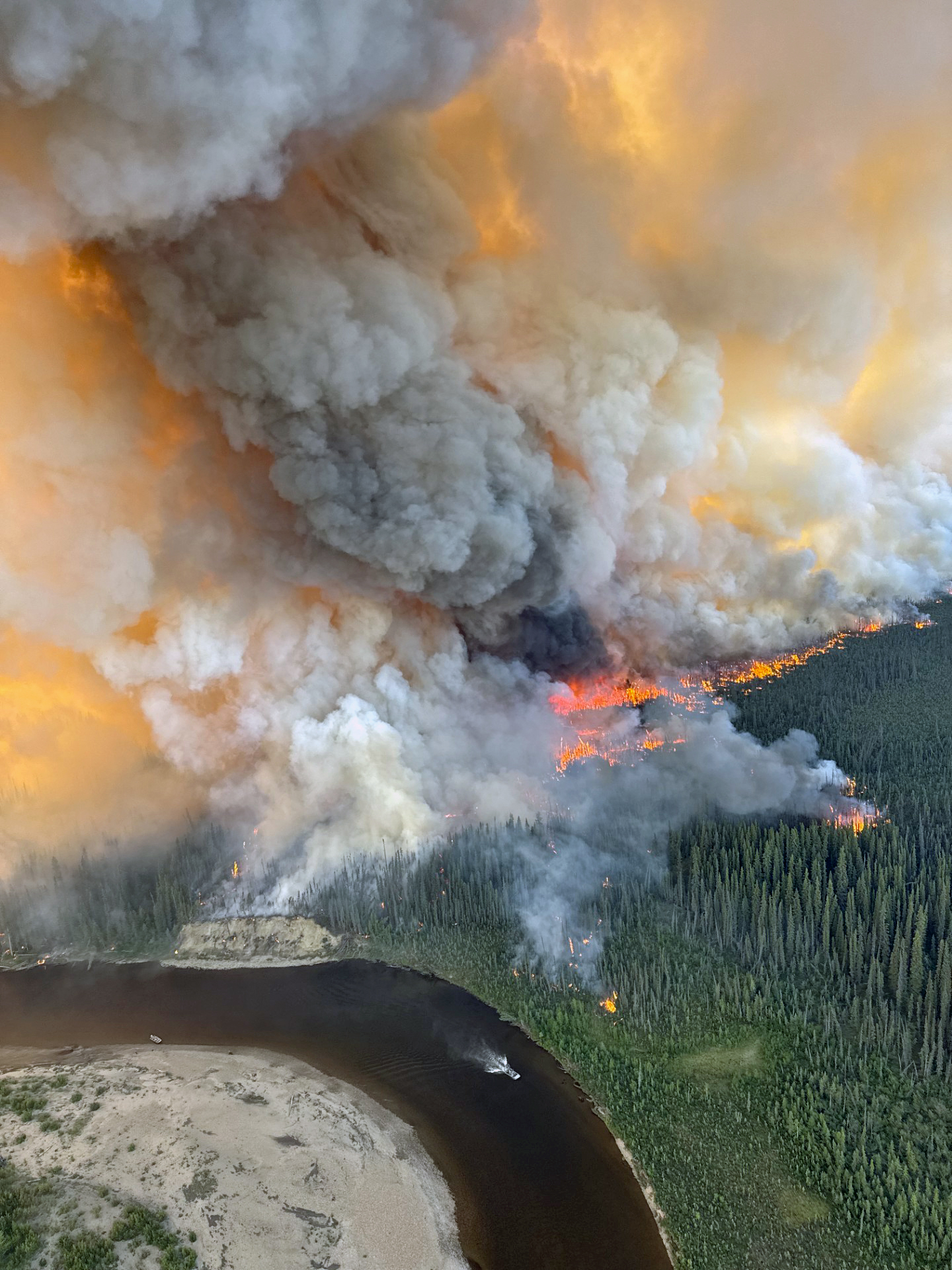
During Interior Alaska summers, lightning-sparked fires spread quickly under warm, dry winds. These natural disturbances renew the forest through succession, clearing organic soil layers and creating conditions for new stands to establish. Historically, fire helped maintain boreal forest structure and function, but climate warming is altering fire behavior.
More frequent and severe fires now burn deeper into soils, sometimes removing the entire organic mat that insulates underlying permafrost. When this layer is lost, permafrost thaw and flooding can occur, driving shifts in vegetation structure—from spruce-dominated forests to broadleaf deciduous stands. These changes affect forest regeneration pathways, carbon cycling and greenhouse gas emissions, understory vegetation, permafrost stability, and wildlife habitat.
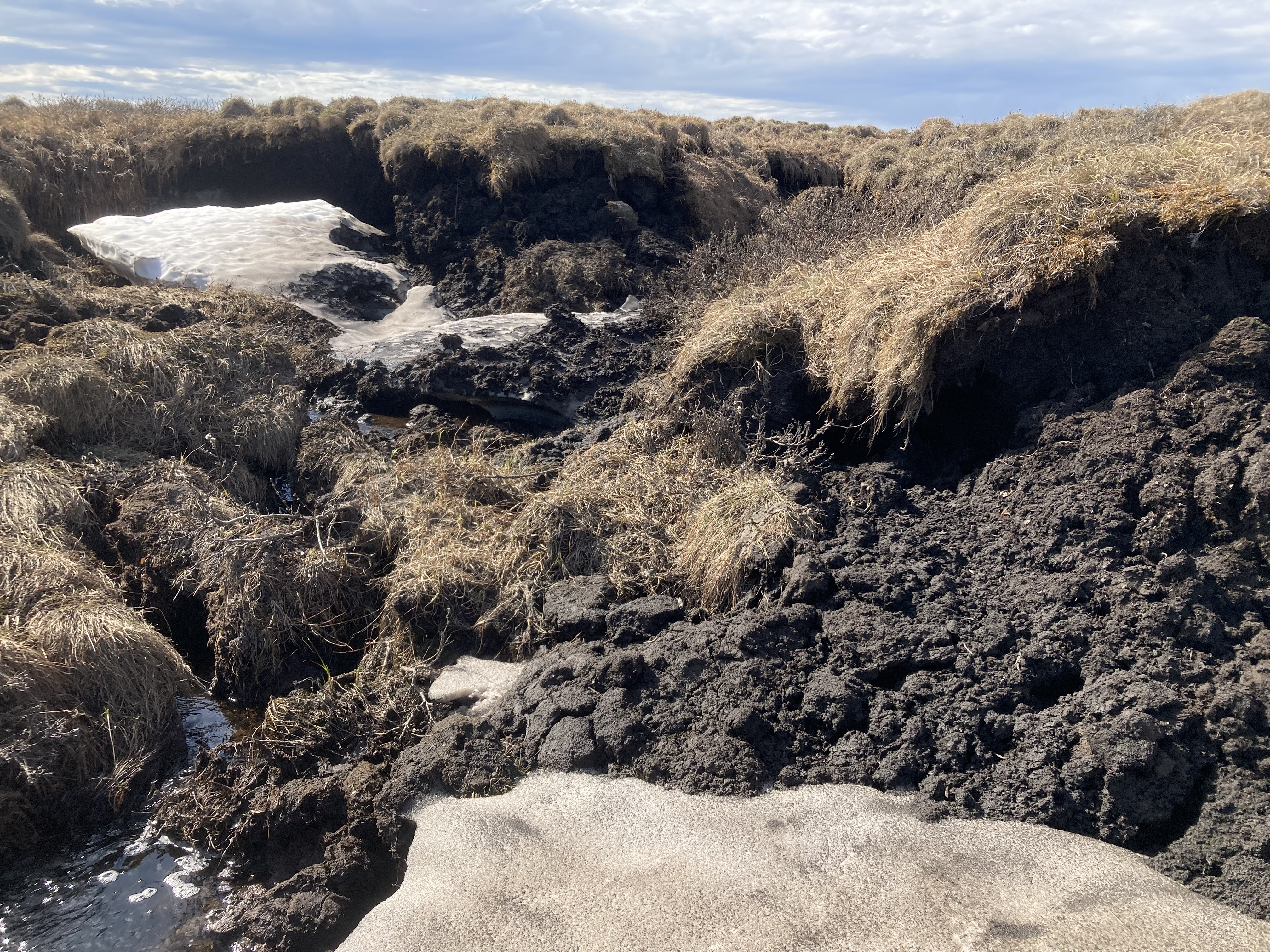
Permafrost is a defining feature of Interior Alaska. It refers to ground—soil, rock, or ice—that remains frozen for at least two consecutive years. In the boreal climate of Interior Alaska, permafrost is discontinuous and underlies approximately 40% of land area. Permafrost is typically found in cold places such as north-facing slopes and valley floors. Where present, permafrost acts like a frozen foundation for the ecosystem, influencing everything from plant growth to water resources. Permafrost keeps the soil moist, providing the vegetation with ample water despite the region’s modest rain and snowfall.
Warming temperatures and increasingly severe wildfires are accelerating permafrost thaw across Interior Alaska. Thaw can cause ground collapse, damage infrastructure, alter drainage patterns, and change water quality.
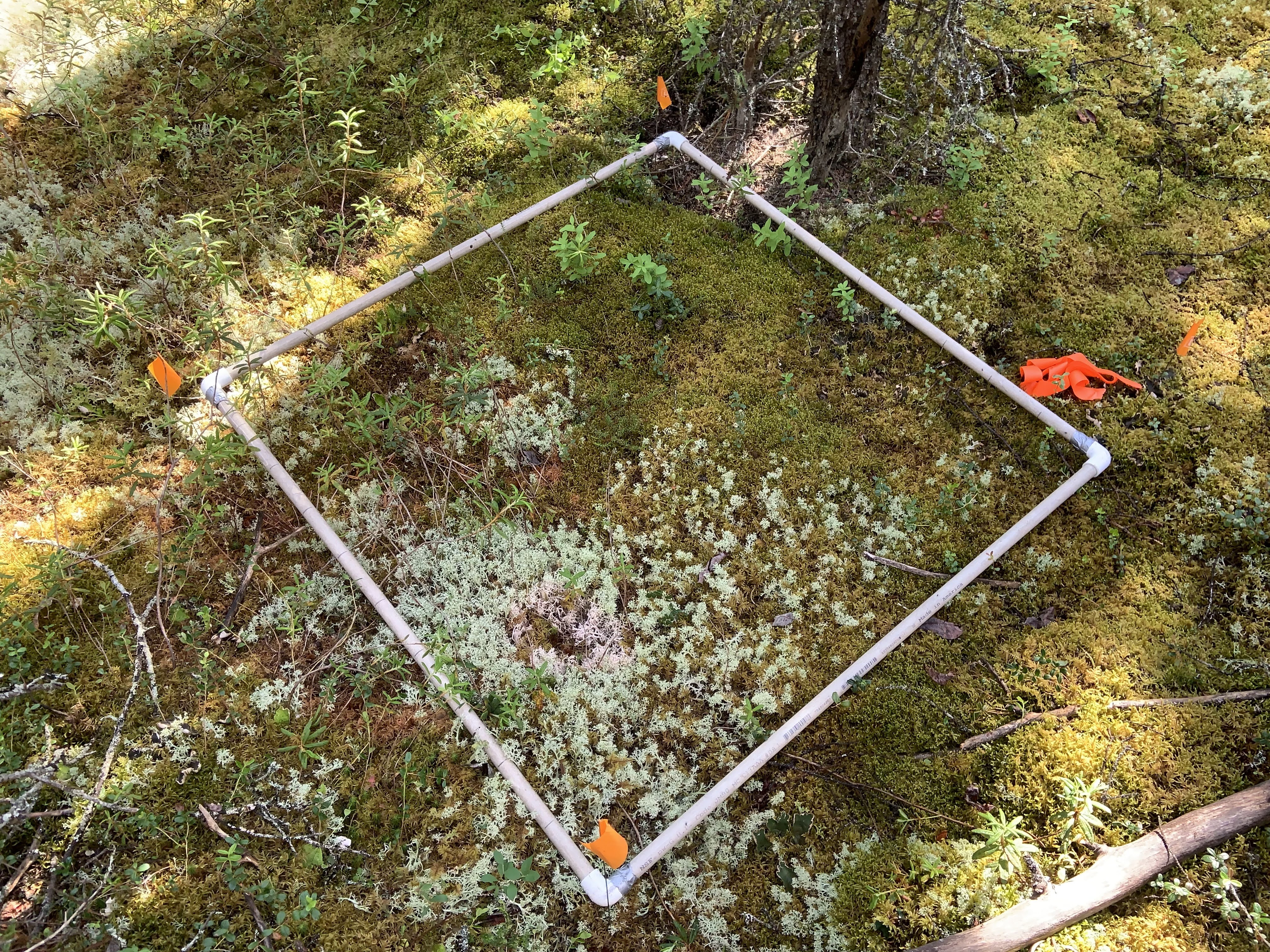
There are only six tree species present in Interior Alaska, with three of them—birch, white spruce, and black spruce—dominating the landscape. However, a closer look reveals a rich and dynamic mosaic of vegetation shaped by elevation, wildlife, soil moisture, wildfire, and permafrost thaw. The region’s major plant communities can be grouped into three categories: floodplain, upland forest, and lowlands, each supporting different ecological processes. The most widespread is the upland forest, which is made up largely of black and white spruce.
Warming temperatures are reshaping vegetation across Interior Alaska. Wildfires are becoming more frequent, forested floodplains can subside into bogs as permafrost thaws, and warmer winters allow insects and tree diseases to spread more widely. These changes alter forest structure, carbon storage, wildlife habitat, and the ways people use and benefit from boreal landscapes.
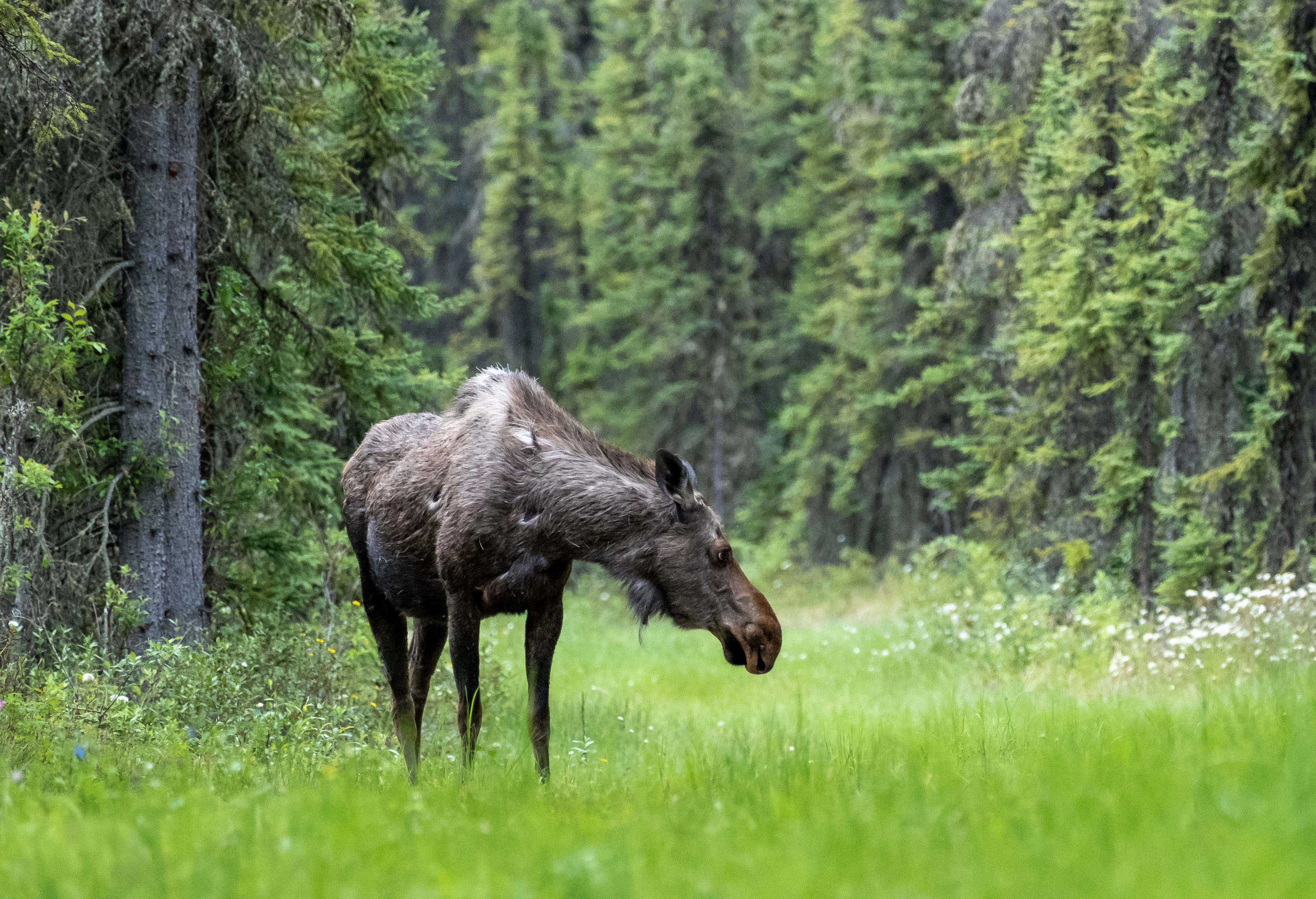
Interior Alaska is home to a remarkable diversity of wildlife, each playing a vital role in the boreal forest’s ecological and social tapestry. At the top of the food chain, predators such as wolves, lynx, and bears regulate populations of prey and in turn are regulated by them in dynamic and ever-changing relationships. Prey species ranging from moose and caribou to snowshoe hares, voles, and red squirrels shape vegetation structure through browsing and seed consumption; for instance, moose herbivory can influence forest development.
Birds—from migratory waterfowl to songbirds and year-round residents such as owls and woodpeckers—add seasonal soundscapes to the forest and contribute to pollination, seed dispersal, and insect control. For many rural and urban communities, and especially for Alaska Native peoples, wildlife holds deep cultural, nutritional, and social significance.
Outside the Fairbanks urban hub, most communities in Interior Alaska are small, remote, and often accessible only by plane, boat, or snowmobile. Life across these rural and urban areas depends on the boreal landscape and, in turn, influences it. Subsistence living, infrastructure development, timber harvesting, mining, and recreation all shape natural resources in the region. Landowners and organizations at federal, state, and private levels work with community members, universities, environmental groups, and industry to develop management plans that support ecosystem health and reduce ecological impacts. Interior Alaska’s residents—particularly Alaska Native peoples, with deep social, cultural, and ecological ties to the land—continue to adapt and act as stewards of the region.
As disturbances such as wildfires, permafrost thaw, and insect outbreaks become more frequent, risks to ecosystem resilience and community well-being increase. Smoke can affect air quality and health, insect outbreaks disrupt local economies, and thawing permafrost can damage roads, pipelines, and buildings. These changes influence where people can live and work safely, how they travel, and when they can access subsistence and recreational resources.

© Bonanza Creek LTER, 2011-2026.
The Bonanza Creek LTER is a member of the U.S. LTER Network which is supported by the National Science Foundation (DEB-2224776 and DEB-1636476) and by the USDA Forest Service, Pacific Northwest Research Station (RJVA-PNW-20-JV-11261932-018). Any opinions, findings, and conclusions or recommendations expressed in this material are those of the author(s) and do not necessarily reflect the views of the National Science Foundation.


Learn more about UA's notice of nondiscrimination.