 B
B
What we do

Quilted art piece by Ree Nancarrow, representing the vulnerability of boreal lowland complexes to methane emissions and wildfire disturbances

Teaching wildfire ecology to K-12 kids

Conducting vegetation surveys surrounded by mosquitoes

Measuring stream flow in watersheds where permafrost is thawing

Researchers collecting tree measurements

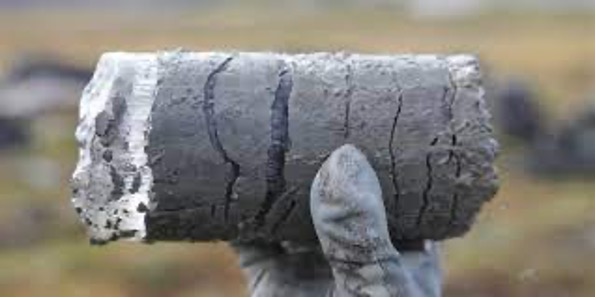
Retrieving a frozen soil core from a recently burned forest
Monitoring long-term environmental changes and extreme events
Bonanza Creek LTER conducts long-term monitoring of climate, ecological and biogeochemical processes, including the boreal forest’s response to fire, thermokarst development, disease outbreaks, and other disturbances. We monitor these events through climate stations, field observations, sample collections, and hydrological monitoring.
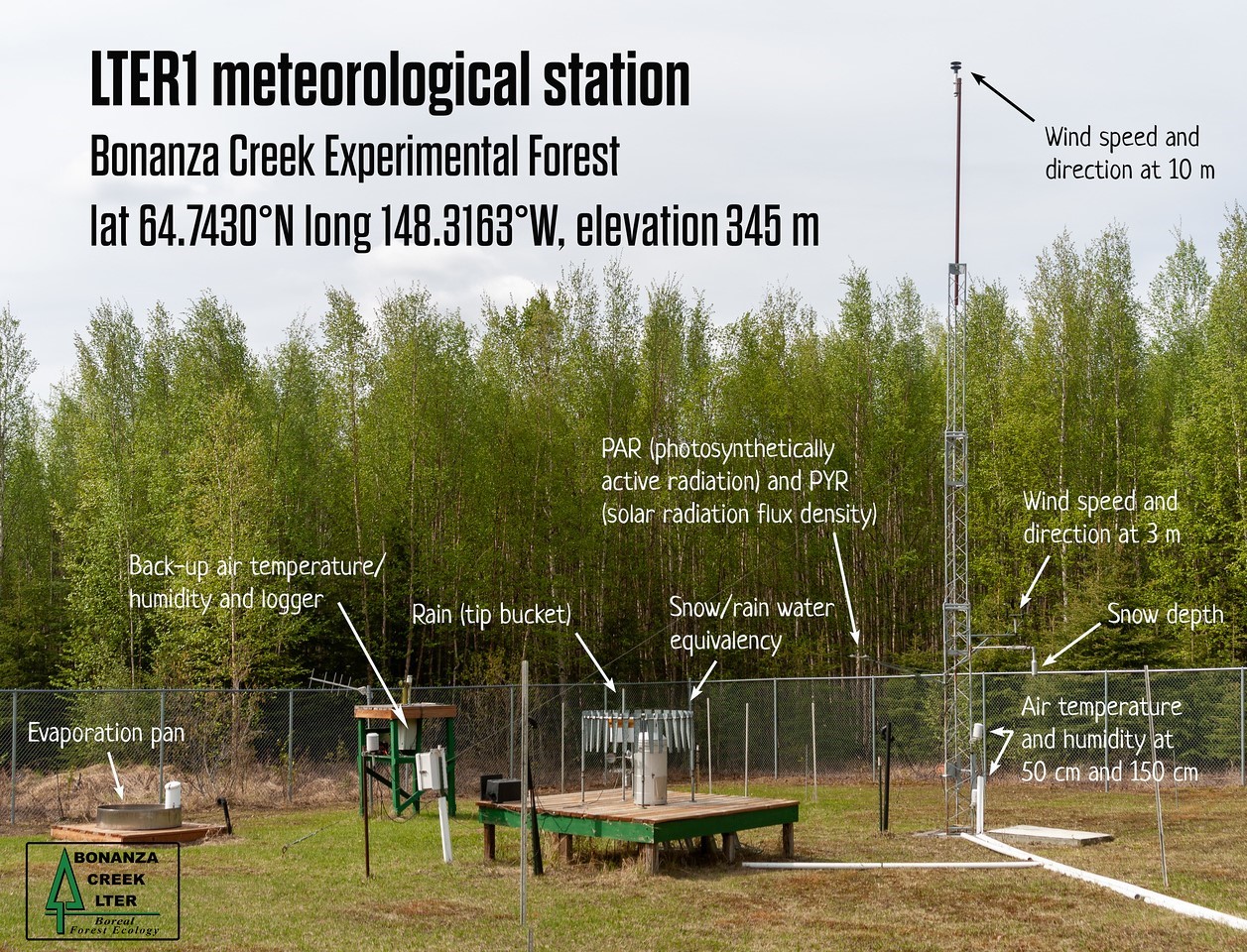
Climate stations:
- Air: Temperature, humidity, and wind
- Moisture: Precipitation, snow depth, snow water equivalent
- Soil: Temperature, moisture, and thaw depth
- Solar: Solar radiation (Shortwave/Longwave, UV, PYR, PAR)
Field Observations:
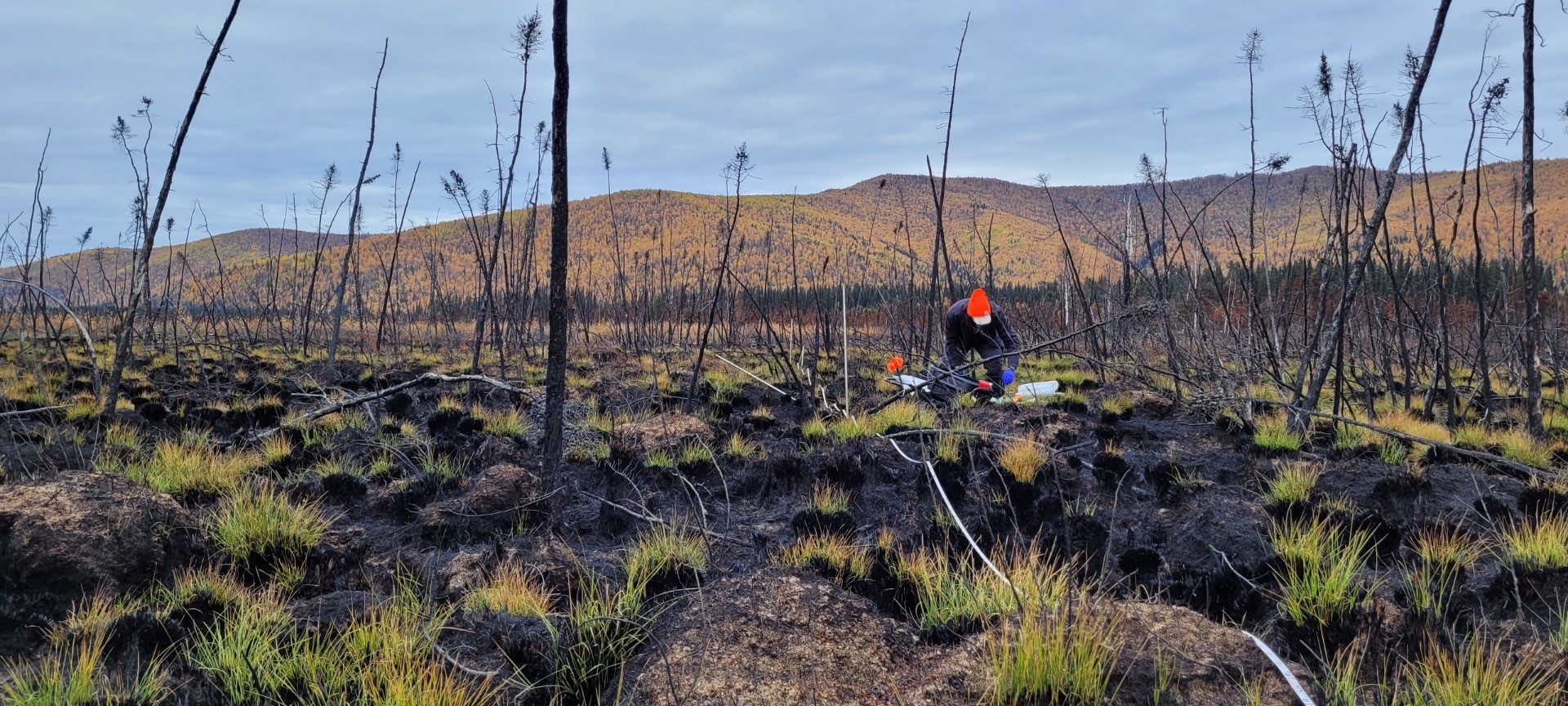
- Ecological processes: Fire severity, herbivore/pathogen activity, and thermokarst development
- Recovery: Vegetation density, biomass, and cover
- Productivity: Tree diameter growth, litterfall, seed count, and browsing intensity
Sample collections:
- Biogeochemical:Vegetation, soil, water, and permafrost
Hydrological Monitoring:
- Watershed Research: Stream discharge, stream pathways, and stream chemistry
Experimental and manipulative studies
Bonanza Creek LTER’s working groups conduct experimental and manipulative studies to understand how ecosystems respond to climate change and to shifts in disturbance intensity and frequency. These studies provide insight into how boreal ecosystems may change under future climate and disturbance conditions.
In manipulative studies, researchers study cause and effect by actively introducing a change in one group or area while keeping another unchanged. For example, in an exclusion treatment, large herbivores might be excluded from a study plot by erecting a fence around it. Similarly, researchers might manipulate plots by adding more water, partially shading plants from sunlight with fabric, or removing certain species.
Climate-related Experiments:
- Snow addition and removal (ground heating and permafrost thaw)
- Moisture and drainage manipulation (wet vs dry conditions)
- Warming chambers (heat intensity)
Exclusion Treatments:
- Large Herbivores
- Insects
Disturbance-focused work:
- Decomposition studies
- Nutrient limitation and retention
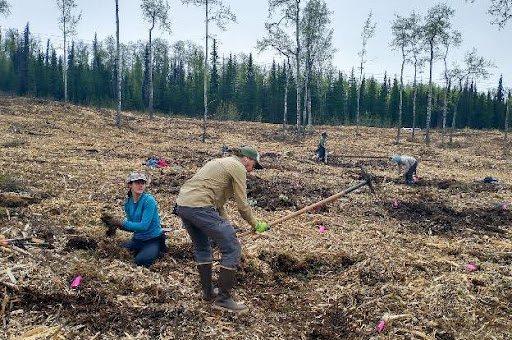
- Fuel reduction treatments (hand thinning, mastication, shear blading)
- Forest structure manipulation (spruce to deciduous)
Predictive and extrapolating modeling
Bonanza Creek LTER uses ecosystem models to predict landscape change from field observations across space and time with future climate and disturbance regimes.
Modeling:
- Statistical models
- Machine learning
- Process-based ecosystem models
Extrapolating:
- Geographic Information Systems (GIS)
- Spatial analysis
- Remote sensing
Collaboration and partnerships
Bonanza Creek LTER is committed to collaborative science and works with different groups including academic institutions, agencies and stakeholders, local artists, and educational outreach groups.
Academic Institutions:
- University of Alaska Fairbanks
- Northern Arizona University
- ~20 additional associated universities
Agencies and Stakeholders:
- Alaska Department of Fish and Game
- Alaska Native Advisory Council
- Alaska State Forestry
- Bureau of Land Management
- National Aeronautics and Space Administration (NASA)
- National Park Service
- Natural Resources Conservation Service
- U.S. Department of Agriculture Forest Service
- U.S. Department of Defense
- U.S. Geological Survey
Local Artists:
- In A Time of Change
- Threshold 32°F
Education and Outreach:
- Citizen Science programs
- GLOBE Schoolyard LTER

© Bonanza Creek LTER, 2011-2026.
The Bonanza Creek LTER is a member of the U.S. LTER Network which is supported by the National Science Foundation (DEB-2224776 and DEB-1636476) and by the USDA Forest Service, Pacific Northwest Research Station (RJVA-PNW-20-JV-11261932-018). Any opinions, findings, and conclusions or recommendations expressed in this material are those of the author(s) and do not necessarily reflect the views of the National Science Foundation.


Learn more about UA's notice of nondiscrimination.