 B
B
History
Bonanza Creek LTER origin story
Over 100 years of history…
The Bonanza Creek Long Term Ecological (LTER) Research program was officially integrated in the National Science Foundation’s (NSF) LTER network in 1987. However, the program’s research into the boreal biome precedes LTER designation. The origins of Bonanza Creek’s long-term monitoring trace back to 1908 with the founding of the Alaska Agricultural College and School of Mines, which established some of the state’s oldest continuous environmental datasets—more than one hundred years of weather data. In 1917 the Agricultural College and School of Mines joined the University of Alaska system to become the University of Alaska Fairbanks (UAF), where Bonanza Creek LTER is now based.
In 1963 researchers from the University of Alaska Fairbanks, the U.S. Forest Service, and the Alaska Department of Natural Resources began collaborative work on the art and science of growing trees—silviculture—as commercial logging interest increased. Their research was centered in a forested area designated the Bonanza Creek Experimental Forest. The experimental forest supplied many of the core elements needed to study boreal ecosystems, including multiple forest types, discontinuous permafrost, and a long history of disturbance from fire and flooding.
The experimental forest encompasses 5,053 hectares (12,487 acres) located on the ancestral lands of the Dena people of the lower Tanana River. It occupies a portion of the Tanana Valley State Forest that is leased to the U.S. Forest Service’s Pacific Northwest Research Station for the exclusive purpose of forestry research. Work at Bonanza Creek Experimental Forest formed the basis of the long-term datasets in use today and helped establish the University of Alaska Fairbanks as a central hub for boreal research.
In 1980 the National Science Foundation launched the Long Term Ecological Research Program to unravel the dynamics and diversity of key natural ecosystems across the United States and promote ecological sciences collaboration. The researchers at Bonanza Creek joined the network in 1987. Since joining, Bonanza Creek LTER has expanded its research footprint by adding a second primary study site—the Caribou–Poker Creeks Research Watershed (about 25,000 acres)—and by establishing a regional network of more than 200 hundred research sites across Interior Alaska. Research by Bonanza Creek LTER scientists has led to significant breakthroughs in understanding the responses of the boreal biome to environmental changes.


Evolution of BNZ LTER Research
When Bonanza Creek LTER started in 1987, researchers asked a central question: How do forests change over time and space in Alaska’s boreal biome? Researchers wanted to know whether the quality of soils—their physical and chemical properties—and the characteristics of plants set the stage for how forests grow and change after disturbances such as wildfire and river flooding.
To answer this, early efforts focused on collecting essential datasets that would become the backbone for understanding ecosystem dynamics in the boreal region. Researchers gathered long-term weather records, tree-ring data, and soil measurements, among other things. The goal was to understand baseline conditions and show how the environment—climate, disturbances, and terrain—influence forest growth and composition through their impacts on soil and vegetation.
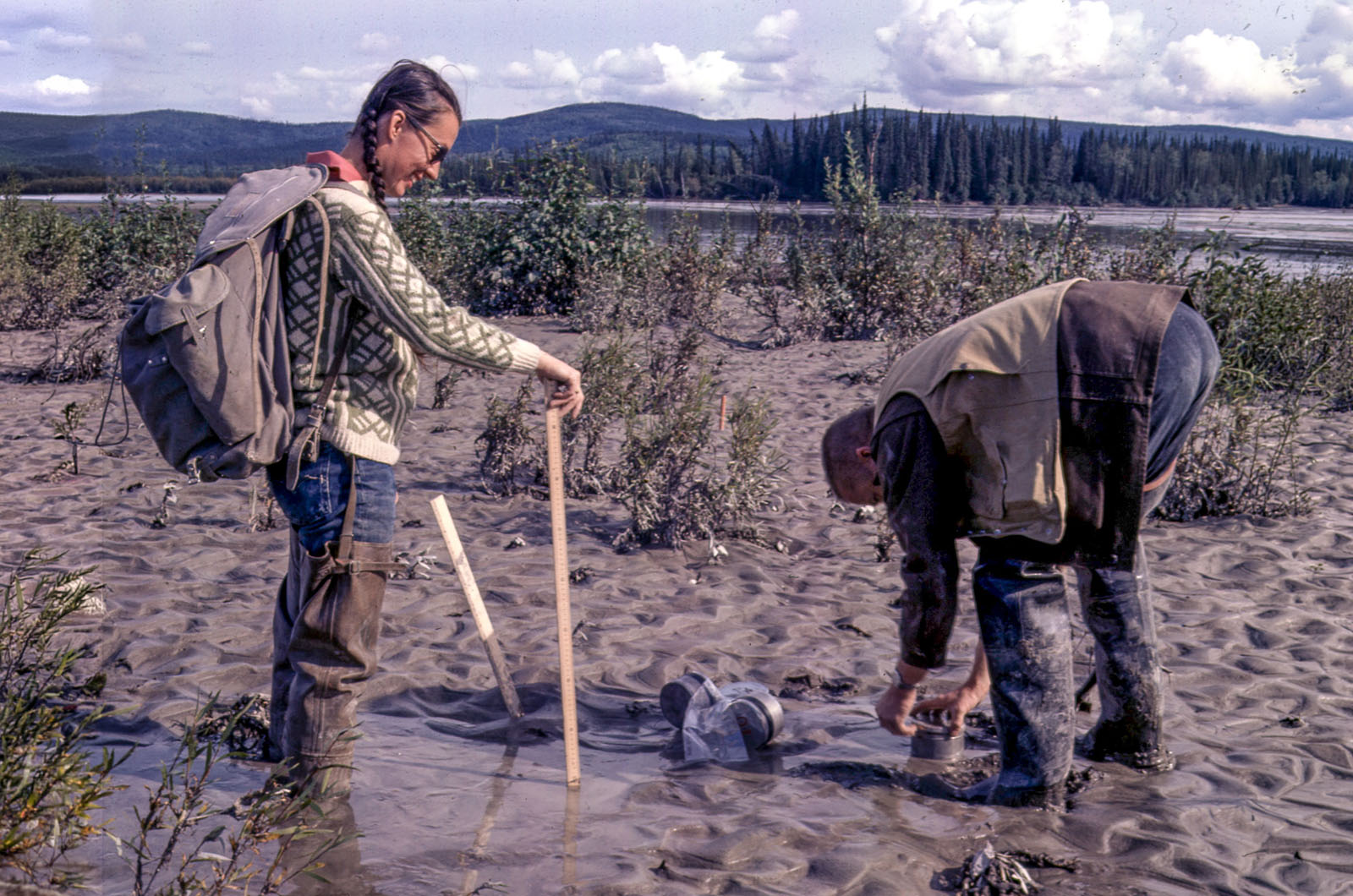
This period of research yielded new understanding of forest dynamics, finding that successional patterns are regionally variable and highly defined by upland and floodplain settings These initial studies further laid the groundwork to investigate the interactions between climate, disturbance, and ecosystems that guided the expansion of the research program.
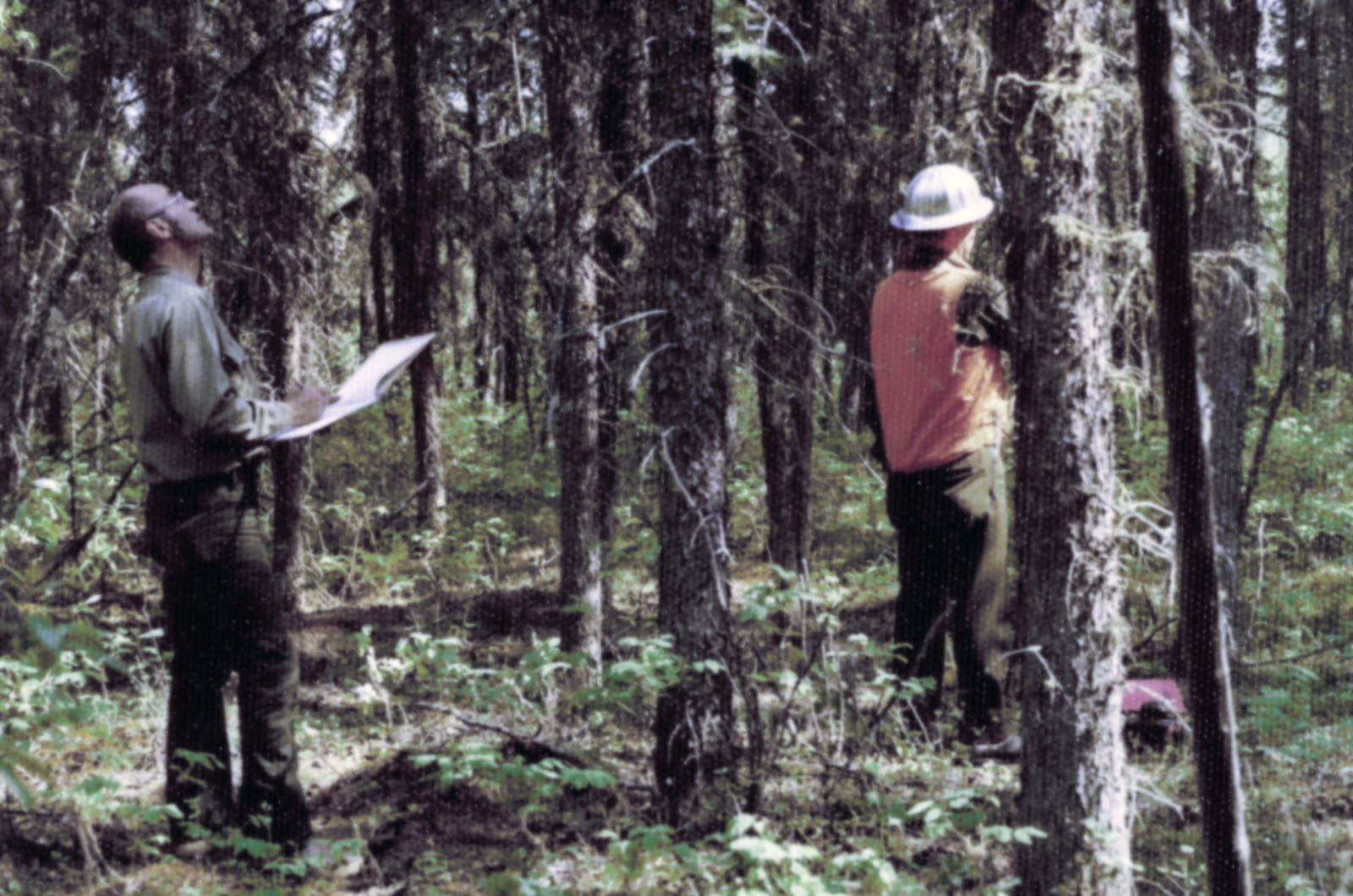
In 2004 record-setting fires in Alaska prompted study of the impact of extreme weather events on northern ecosystems. The researchers at Bonanza Creek asked the critical question: Are ecosystems able to bounce back to their original state after these extreme events or disturbances such as wildfire (i.e., ecosystem resilience)?
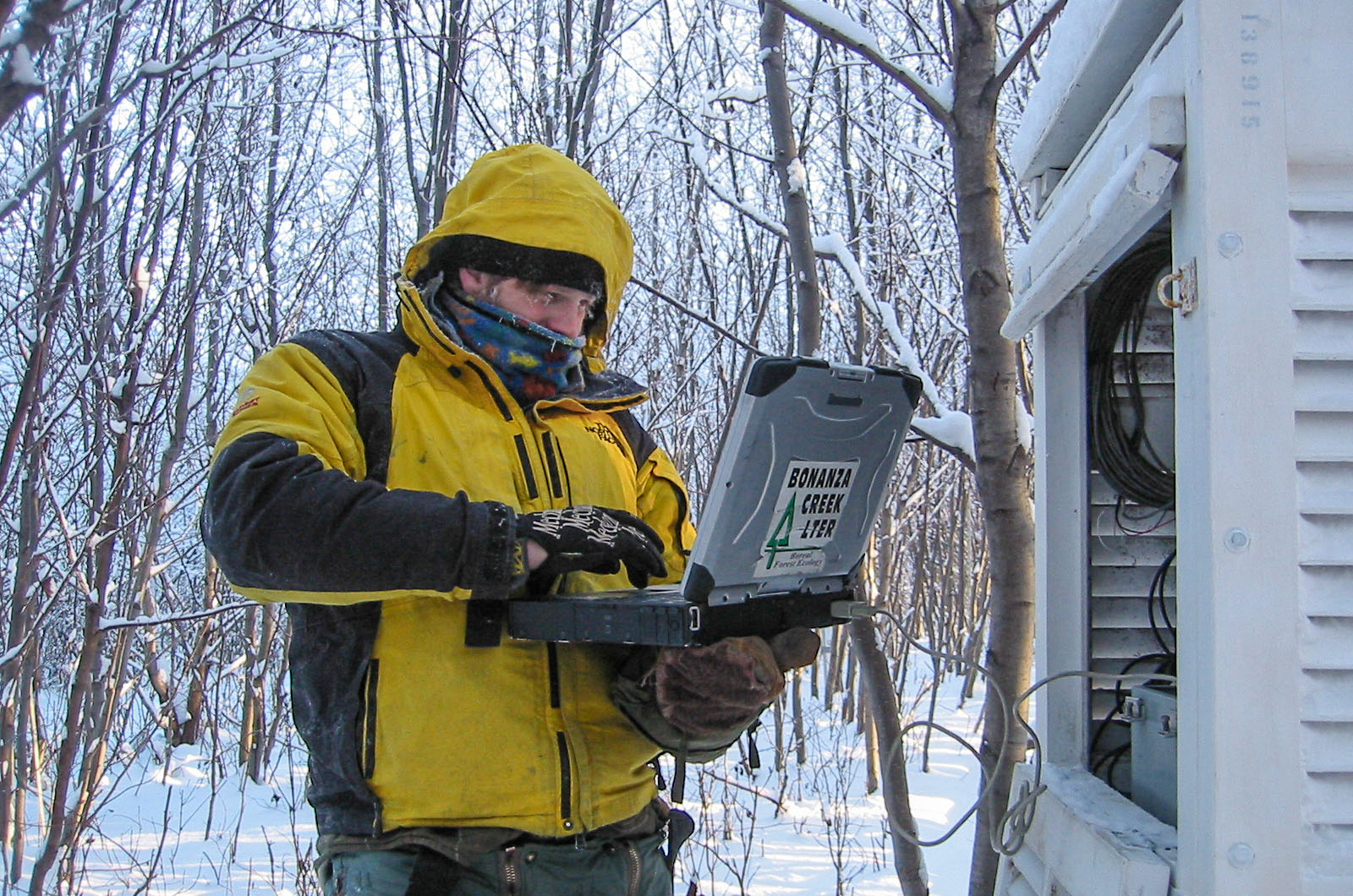
To answer this question, Bonanza Creek LTER, in collaboration with the Alaska Joint Fire Science Program, expanded its research sites to include areas in and around 2004 fire scars. Additionally, Bonanza Creek LTER expanded its research to focus on wetlands, which are critical to biodiversity and methane emissions. Through this work, researchers found that extreme events can trigger a cascade of changes that affect how forests function.
This expansion of LTER was supported by growing community connections and opportunities for collaboration. Researchers worked with local communities, schools, and land managers to conduct research together, share findings, receive feedback, and learn about the boreal biome. This laid the foundation for understanding how humans are a part of the boreal biome and how Bonanza Creek LTER research was tied to better forest management.
These new collaborations, combined with the integration of new tools such as computer modeling and remote sensing (i.e., satellite or aerial imagery analysis), allowed Bonanza Creek LTER to develop a more holistic picture of how climate, disturbances, and land management intersect to shape Alaska’s boreal forests
Since 2018 Bonanza Creek LTER has shifted its focus to forecast future changes in Alaska’s boreal forests. We asked the question: How do past ecosystems interact with extreme events to create legacies–materials, information, and thermal states of the past ecosystem–that determine how forests, wetlands, and alpine tundra might respond to future conditions? This emphasis on legacies deepens our knowledge of the boreal forest over time and ecosystem resilience and vulnerabilities at local and global communities.
In our current and future research we are committed to be:
- Collaborative: Alaska Native peoples, local community members, and resource managers now help shape research questions and methods to address practical issues such as sustainable forest management and community adaptation. Artists, humanities scholars, educators and K-12 students are an integral part of the program.
- Continuous and comprehensive: The use of the Regional Site Network vastly expanded the capacity of Bonanza Creek LTER to understand how local conditions, such as soils and fire history, affect the whole forest.
- Innovative: Tools such as radiocarbon isotopes, high-resolution satellite images and computer modeling are essential to predicting how ongoing climate change and repeated disturbances will reshape the ecosystem over time.
As we move forward, Bonanza Creek LTER is dedicated to strengthening the research legacy built by generations of researchers and by the people and communities of Interior Alaska.
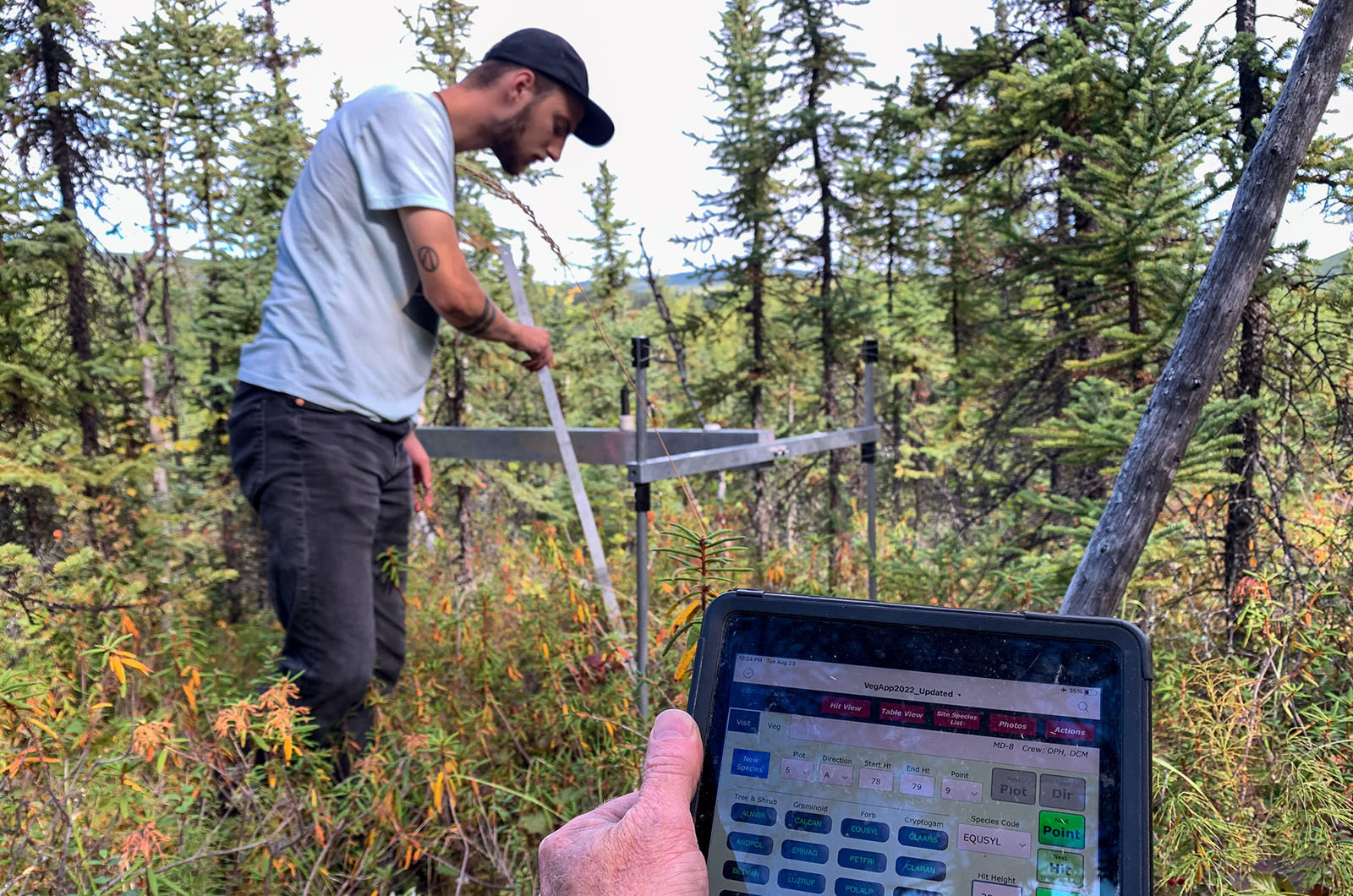
Climate change is pushing the boreal biome toward more extreme and frequent disturbances. Bonanza Creek LTER is determined to provide the long-term science and community partnerships required to understand what comes next and help navigate a resilient future for the boreal biome and the people who depend on it.


